What Are the Main Types of Logistics? A Complete Guide for Modern Businesses
Global trade has evolved rapidly over the past decade, making logistics an essential part of every successful business. Whether a company imports raw materials, exports finished products, or distributes goods across multiple locations, an efficient logistics system helps maintain smooth operations and customer satisfaction.
For manufacturers and business owners, understanding the different types of logistics is more than industry knowledge—it is a practical way to improve supply chain performance, reduce transportation costs, and deliver products on time. Companies that invest in the right logistics strategy are often better prepared to respond to changing customer demands and market conditions.
Businesses looking for a reliable logistic company in Chennai frequently seek a logistics partner that offers end-to-end supply chain support, customs expertise, and flexible transportation solutions.
From domestic deliveries to international freight forwarding, each logistics function plays a unique role in keeping products moving efficiently. Partnering with an experienced logistic company in Chennai helps businesses optimize transportation, improve operational efficiency, and strengthen supply chain performance.
This guide explains the main types of logistics, how each one supports business growth, and why selecting the right logistics partner is an important business decision.
Why Understanding Logistics Matters
Many business owners associate logistics only with transportation. In reality, logistics covers the planning, movement, storage, tracking, and delivery of goods throughout the supply chain.
A well-managed logistics system helps businesses:
- Deliver products on time
- Reduce unnecessary transportation costs
- Improve inventory accuracy
- Maintain customer satisfaction
- Support business expansion
- Minimize operational disruptions
As businesses grow, logistics becomes increasingly important because every stage of product movement affects overall business performance.
Main Types of Logistics Every Business Should Know
Every business operates differently, but most supply chains depend on several core logistics functions working together.
1. Inbound Logistics
Inbound logistics focuses on moving raw materials, components, and supplies from vendors to manufacturing or storage facilities.
Typical activities include:
- Supplier coordination
- Purchase order management
- Transportation planning
- Inventory receiving
- Warehouse handling
Efficient inbound logistics ensures production continues without delays caused by material shortages.
2. Outbound Logistics
Outbound logistics manages the movement of finished products from warehouses to distributors, retailers, or customers.
- Order processing
- Packaging
- Shipment planning
- Distribution
- Last-mile delivery
Businesses that improve outbound logistics often experience better customer satisfaction and faster order fulfillment.
3. Transportation Logistics
Transportation logistics focuses on selecting the most suitable methods for moving goods safely and efficiently.
- Road Transport
- Rail Transport
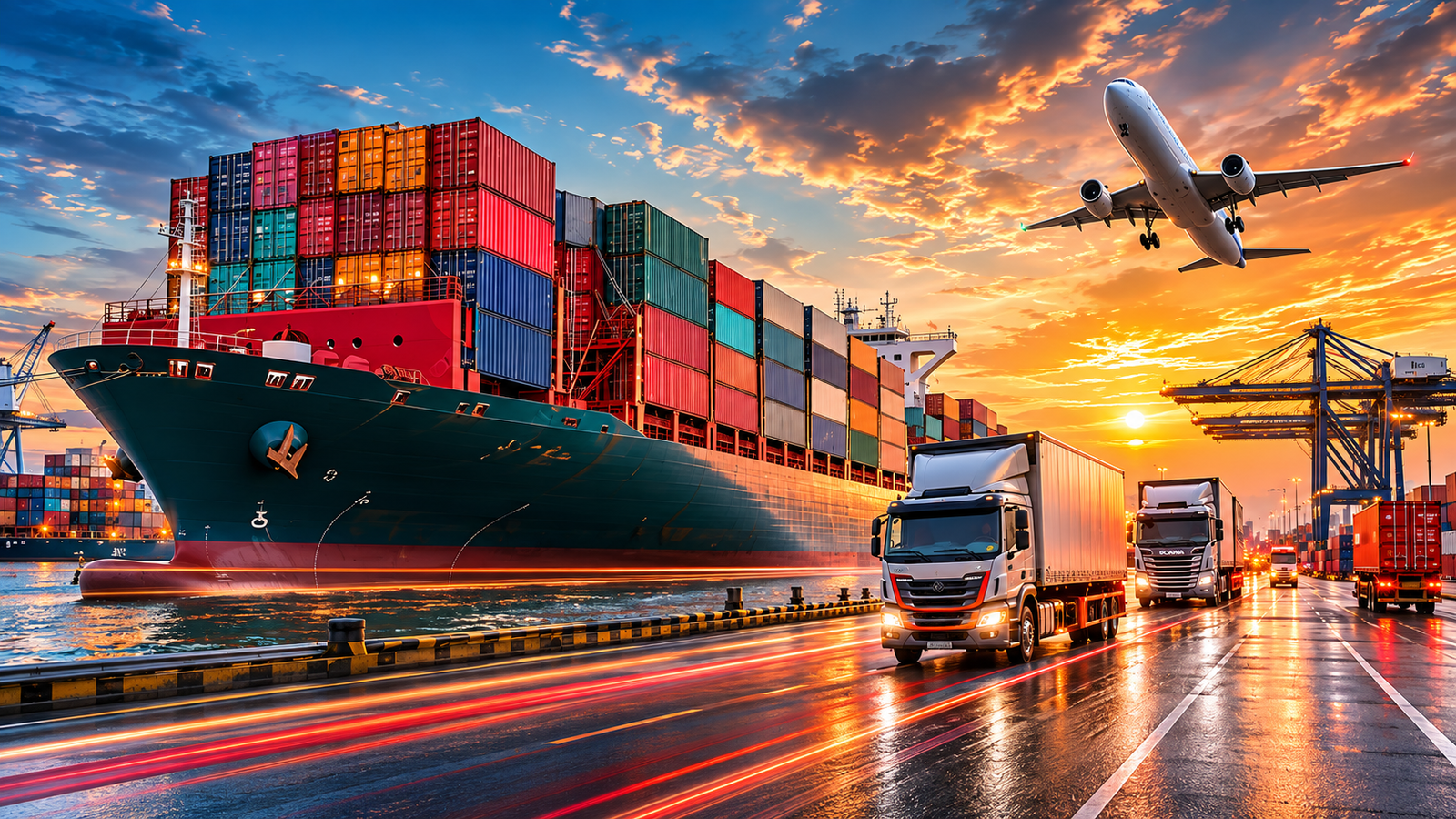
- Air Freight
- Sea Freight
- Multimodal Transportation
Choosing the right transportation option depends on cargo type, delivery timelines, destination, and overall shipping costs.
4. Warehouse Logistics
Warehousing is more than simply storing products.
- Inventory control
- Product organization
- Barcode tracking
- Stock rotation
- Order picking
- Dispatch preparation
Proper warehouse management reduces handling errors and improves inventory visibility.
5. Distribution Logistics
Distribution logistics ensures products reach the right destination through an organized delivery network.
- Delivery scheduling
- Route optimization
- Retail distribution
- Dealer management
- Regional supply planning
Businesses with strong distribution networks can respond more effectively to customer demand.
6. Reverse Logistics
Products do not always move in one direction.
- Product returns
- Warranty replacements
- Recycling
- Repairs
- Disposal
A structured reverse logistics process improves customer trust while reducing waste.
7. International Logistics
International trade requires additional planning because shipments move across multiple countries and regulatory environments.
- Export documentation
- Import coordination
- Freight forwarding
- Customs compliance
- International shipping regulations
Businesses expanding into global markets benefit from experienced logistics partners familiar with international trade procedures.
The Role of Customs Clearance in International Logistics
International shipments require more than transportation. Goods must also comply with customs regulations before entering or leaving a country.
Working with an experienced custom house agent in Chennai helps businesses manage:
- Import documentation
- Export documentation
- Customs declarations
- Duty assessments
- Cargo inspections
- Regulatory compliance
Proper customs planning minimizes shipment delays and supports smoother cross-border trade operations.
How Different Industries Use Logistics
Manufacturing: Manufacturers depend on consistent material supply and timely product distribution.
Automotive: Automotive companies coordinate thousands of components through highly organized logistics systems.
Pharmaceutical: Medical products often require temperature-controlled transportation and regulatory compliance.
Retail: Retail businesses focus on inventory replenishment and customer delivery efficiency.
Food Industry: Food logistics emphasizes freshness, safety, and timely transportation.
Conclusion
Understanding the different types of logistics enables businesses to make informed supply chain decisions. From inbound procurement and warehousing to international freight and customs clearance, each logistics function contributes to efficient product movement and business continuity.
If your business is searching for a dependable logistic company in Chennai , choosing a partner with expertise in transportation, warehousing, freight forwarding, and international trade can simplify operations while supporting future growth.
Easyway Logistics provides comprehensive logistics solutions designed to help manufacturers, exporters, importers, and business owners move goods with confidence.
Contact Easyway Logistics
Looking to optimize your supply chain?
Connect with Easyway Logistics for reliable transportation, freight forwarding, warehousing, customs clearance, and end-to-end logistics solutions tailored to your business requirements.
EASYWAY LOGISTICS
Frequently Asked Questions
Each type of logistics manages a specific stage of the supply chain, from sourcing raw materials and warehousing to transportation, distribution, and product returns. Together, these functions help businesses improve operational efficiency, reduce delays, and ensure products reach customers on time.
Manufacturing businesses depend on logistics to maintain a steady flow of raw materials, manage production schedules, store finished goods, and deliver products efficiently. Effective logistics minimizes downtime and helps maintain consistent production.
Businesses should evaluate industry experience, transportation capabilities, warehousing facilities, technology, shipment tracking, customer support, and customs expertise before selecting a logistics provider.
Customs clearance ensures shipments comply with government regulations before entering or leaving a country. Proper documentation, duty assessment, and regulatory compliance help reduce shipment delays.
Businesses can strengthen logistics performance by improving inventory planning, maintaining accurate documentation, optimizing transportation routes, adopting tracking technology, and partnering with experienced logistics providers.